
AI-proposed Memory updates can now wait for your review.
New models
Claude Haiku 5.5 is now in qbash, with a 1M-token context window and adaptive thinking. It’s an option for frequent steps such as classifying incoming requests or extracting fields from documents.
Prompts up to 100K tokens use the lower rate. Above that threshold, input and output rates rise 5×. Check your typical prompt length before switching an existing workflow to Haiku 5.5.
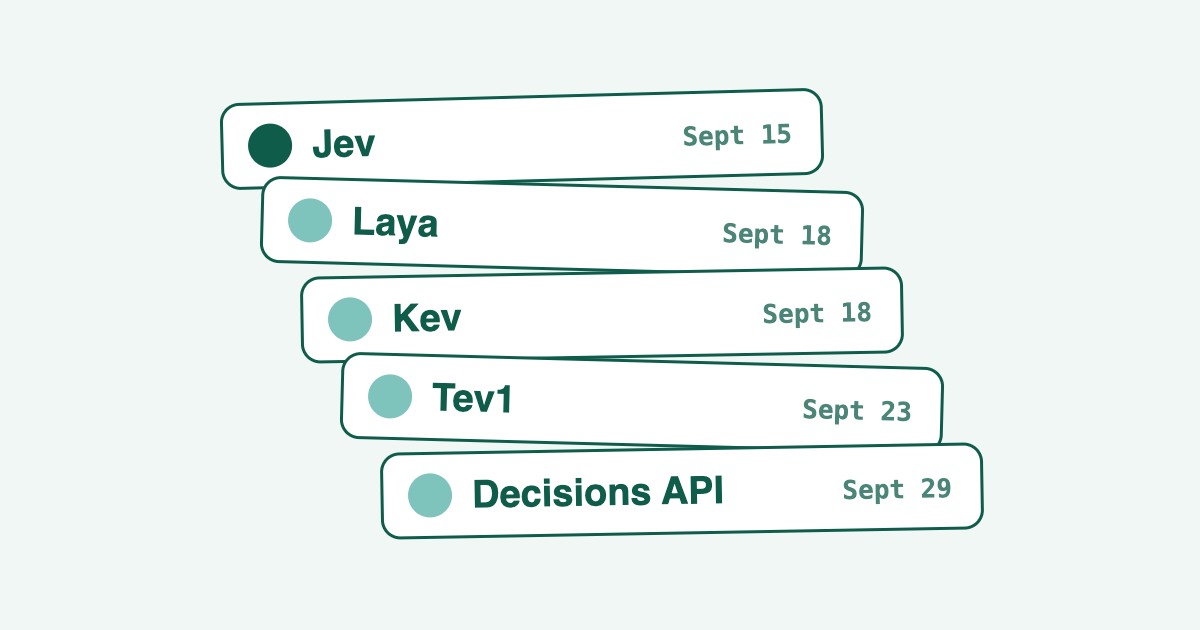
Haiku 5.5 follows Opus 5.5, Sonnet 5.5, the GPT-6 family, and Jev, all added since September.
Memory upgrades
Memory folders can now require human approval for AI writes. Proposed changes become pull requests, with a diff to review before accepting them.
For example, a research Task might update a competitor’s Markdown profile with newly announced pricing. You can review the proposed edits before they’re merged into the file. Until you approve them, agents, Tasks, and people using that profile continue reading the previous version.
New and updated connectors


You can now access more ActiveCampaign automation and CRM data. Affinity adds tools for opportunity notes and interactions, plus relationship scores.
Browse connectors →New from the blog
The AI Ticker, October 4 to 8
Where Claude sends your data, and how AI-written research gets checked. Five stories.
GPT-6’s Chat launch has users reporting odd safety blocks, shorter answers, and inaccurate graphics. A question about plague mechanics in Europa Universalis 5 reportedly triggered a biological-safety flag. Another user described a two-minute safety review over an article about a Siberian lab.
The Association for Human Mathematics urges mathematicians to stop working with OpenAI after its mass release of AI-generated research. Roughly 42% of the 719 manuscripts’ main results are formalized in Lean. OpenAI cites consultations with an advisory group. AHM says OpenAI ignored that group’s objection to testing advanced problems on internal models.
Anthropic removed Pro and Max users’ local-only Cowork option on October 6. New tasks run in its cloud, which also stores session history. Connected folders stay local, but Claude fetches copies of files it needs. For local execution, Anthropic points users to Claude Code.
IMDEA’s tests found chat links and email addresses still reached Intercom after users rejected cookies on Claude. A separate server-side route to eleven trackers, including Meta and TikTok, depended on cookie consent. Researchers did not show conversation text reaching ad networks. The measurements date from May, so current behavior may differ.
Pavel Rabtsevich used Claude Code and Codex to investigate a planet candidate. He describes over 1,000 scripts and a test against withheld telescope data. After an audit, he corrected an overstated statistical claim. TESS has approved follow-up observations. The planet remains unconfirmed.
What are you building with Tasks this week? Reply with the process you’re working on or the part that’s giving you trouble.