Build a Grok Bot MCP server with qbash
Alex Blom
A five-minute walkthrough that packages a Task, a Massive connector and memory folders into one qbash MCP server, adds it to Grok Bot, and calls it for stock data and a drafted post.
Product updates, tutorials, and insights from the qbash team.
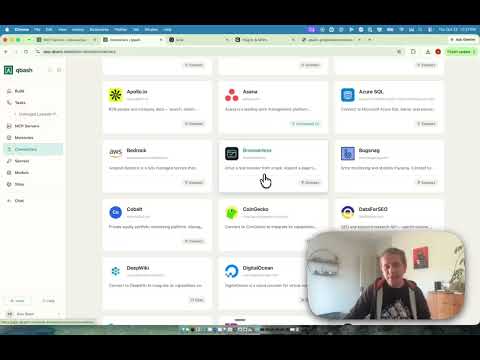
A five-minute walkthrough that packages a Task, a Massive connector and memory folders into one qbash MCP server, adds it to Grok Bot, and calls it for stock data and a drafted post.

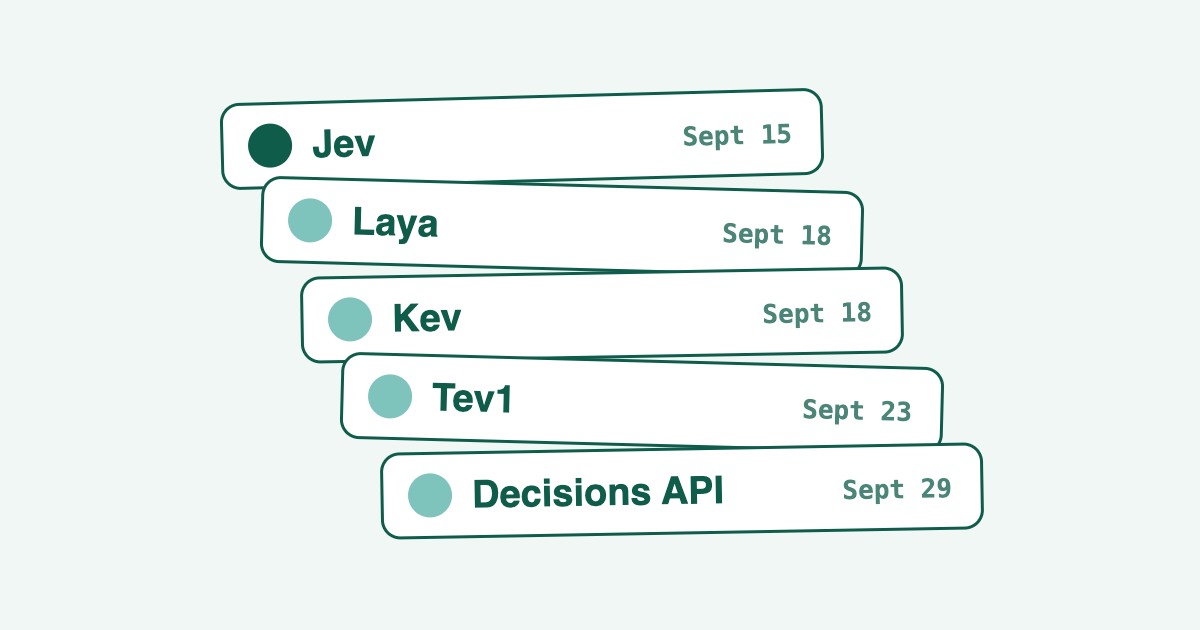
A qbash Task matches company mentions from call transcripts to database records with Jev and OpenAI Decisions. Jev scored 93% and OpenAI Decisions 80% with the full catalog in every prompt. A Double Metaphone shortlist of up to 10 candidates brought both to 83% at about a ninth of the estimated cost.
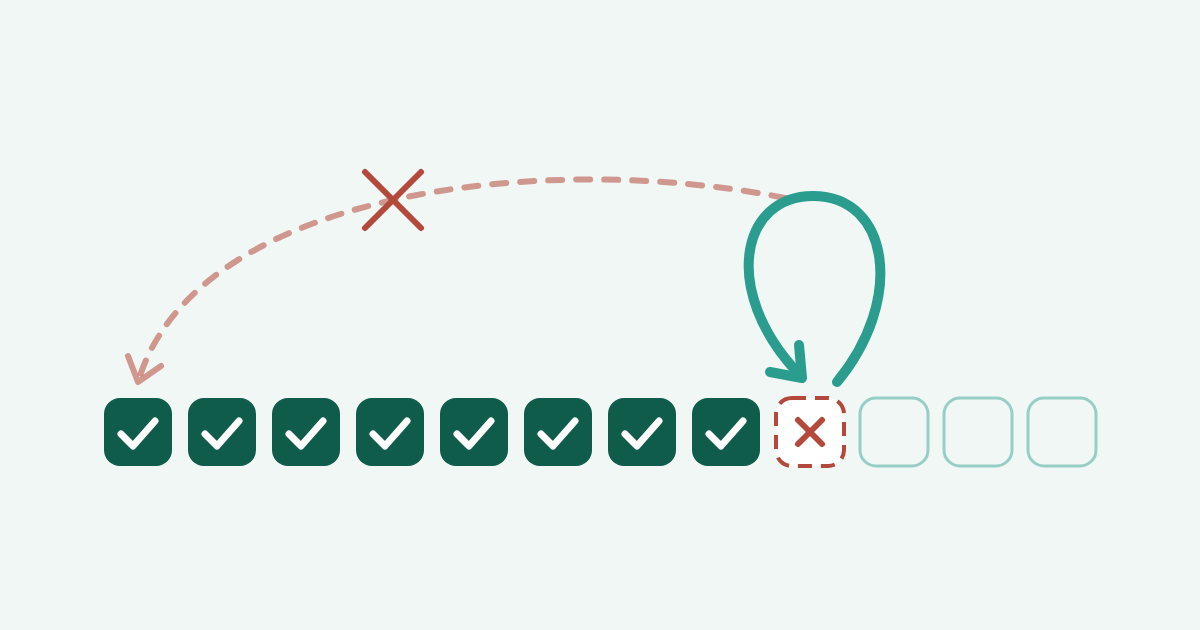
Durable execution lets a long job survive a crash and resume from its last finished step. The idea goes back to 1960s mainframes, and AI has brought it a new wave of funding and launches. This post covers how it works, where it came from, and how to make a batch of AI agent runs resume in a qbash Task.
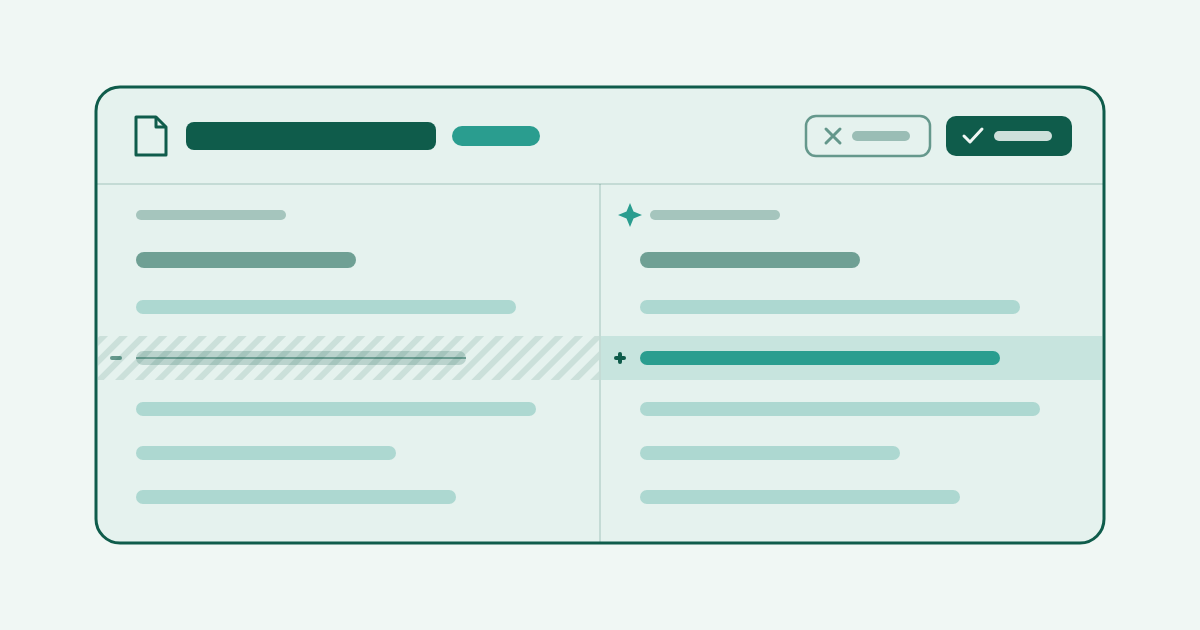
This edition covers Memory pull requests for AI writes, Claude Haiku 5.5, new MySQL and Google Ads connectors, two new posts, and the AI Ticker for October 4 to 8.
Nobody at most companies owns the call on which agents should stay agents, what they should cost, or who answers when one misbehaves. That ownership is becoming a role, built on one recurring decision: when proven agent work should turn into a fixed, auditable task.
Jev answers typed questions about text and returns probabilities, which makes it the newest version of the oldest AI in production, the classifier. How it compares with an LLM call that returns structured output, and what each costs at a million emails a month.
qbash Tasks, Memories, and connectors now run from Meta Muse and Grok Bot. This edition also covers MCP servers that combine all three, Task Builder v2, GPT-6.1 Sol, Claude Sonnet 5.5, four new connectors, and the AI Ticker for September 25 to October 1.

A qbash Task where Claude drafts a product launch email, Jev answers 12 review questions about it, and regex checks enforce the house style. Failed drafts go back for another round. The logs from two runs show where a decision model helped.

An 80-second overview of qbash. A Python Task asks a model whether the upgrade in a Dependabot PR breaks anything, then acts on the structured answer. qbash hosts and runs it.
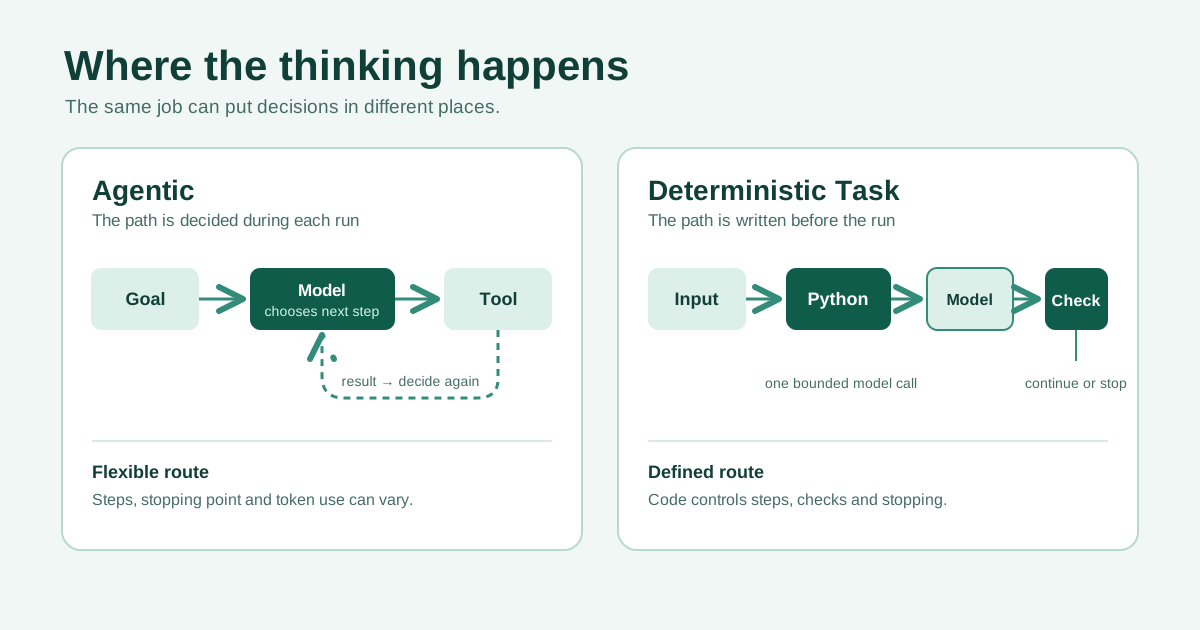
Grok Bot and Muse show why agents are useful when the route is unknown. For work that repeats, defining the steps in code keeps the process and its failure points visible.
TypeSafe's Jev answers typed questions with a confidence score at $0.042 per million input tokens. This edition also covers Claude Opus 5.5, GPT-6 Sol and Luna, Sites, several triggers per Task, three new videos, and the AI Ticker for September 18 to 24.

A short walkthrough of TypeSafe's Jev decision model in qbash. Enable Jev on the Models page, create an inline Jev prompt with Pick one, Score, and Yes or no questions, and run it over four support tickets from a Python Task.

Jev answers bounded questions about text or structured data with typed answers and probabilities. In a qbash Task it fits beside code and LLMs, and we plan to measure it there before making claims about accuracy or cost.

Mail merge for fillable PDFs. A Task reads one PDF form and a Google Sheet of 20 customers, fills a copy of the form for each row, and zips the results into a single download.

How we test our connectors with qbash Tasks. One prompt to the builder produces a script that exercises every tool on the upcoming LinkedIn integration, cleans up after itself, records each response, and reports 46 passes, five failures, and two skips across 53 tests.

The AI Ticker section of our newsletter starts with two Tasks. One scans model subreddits every day and stores a summary of each new thread in a memory folder. The other ranks a week of those summaries, writes the ticker, and runs a copy review, one single-purpose prompt at a time.

Two MCP servers put qbash inside Codex: one exposes Tasks as callable tools, the other exposes memory folders. One prompt then drafts our weekly newsletter from 14 days of commits, a week of blog posts, and 24 hours of AI news, in the house style the newsletter archive supplies.

The objection to test-driven development was always the cost of writing tests by hand. The AI editor writes them, runs them, and reads the failures. This walkthrough builds a square root task tests-first, extends it to take a parameter, then breaks it to watch the suite catch the regression.

One of the internal strategy decks behind the move from Aisle to qbash, covering what worked, what we shut down, and the class of application we are building for now.
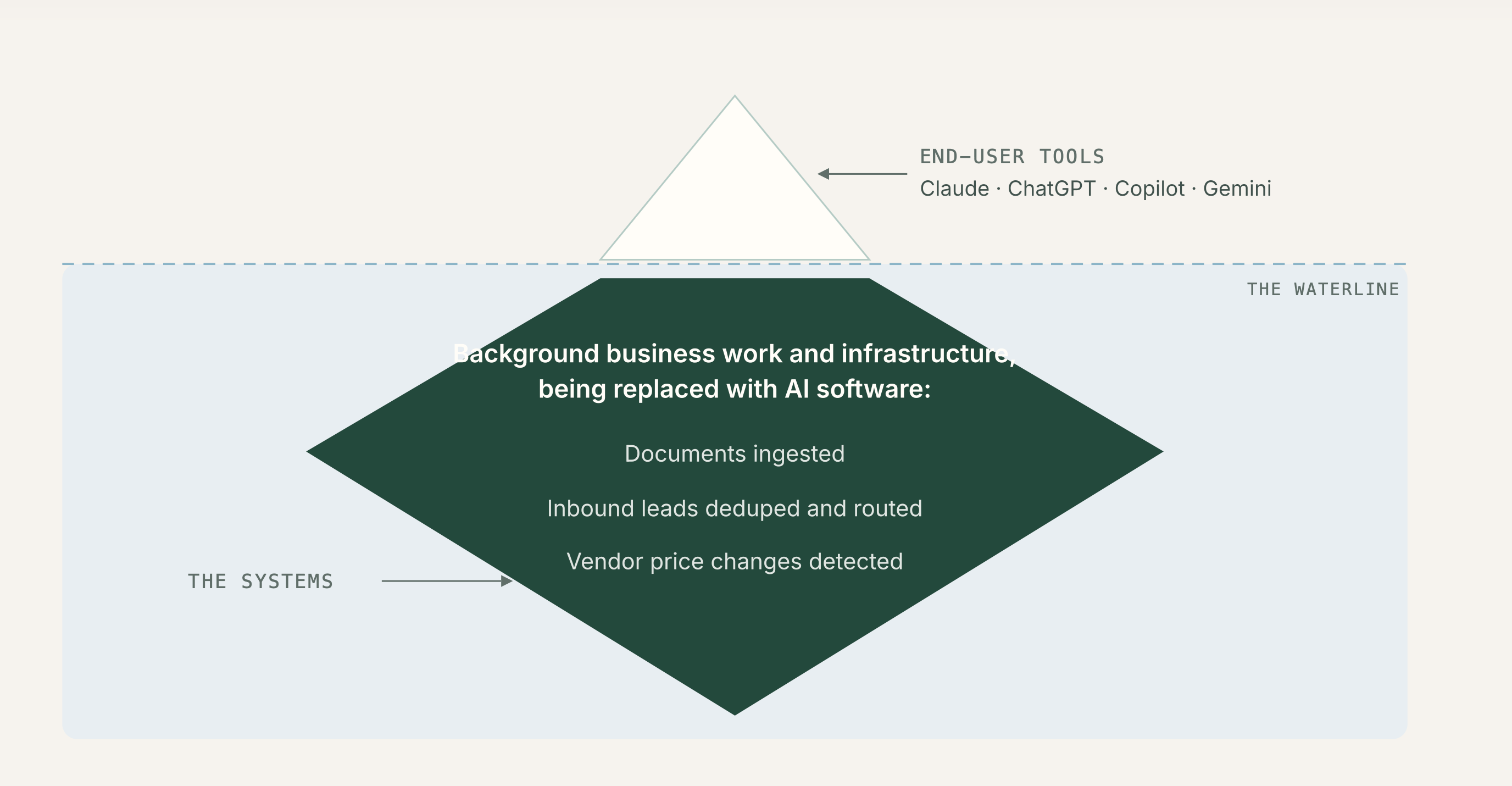
Frontier models keep improving, but many of the highest-value business systems were already possible with older models. Defined processes and bounded model calls matter more than using the frontier everywhere.
GPT-6 Astra is in the catalog with a 1.05M token context window and a surcharge above 272K input tokens, four new videos on the channel, and five stories from a rough week for the labs.

Triaging our busiest Slack channel into Asana tickets was a Monday morning job. This Task reads a week of Slack threads, checks two Asana sections and merged GitHub PRs for what already shipped, and files one Asana ticket with a subtask per theme.

Last week's model test suite had eight runners, a judge, a change detector, and a six-phase script. This version has one model, two inline prompts, three tests, and 24 lines of Python, so every step of the Task is visible.

Fable 5.1 and GPT-6 Astra arrived a day apart. This build is a qbash Task that runs 15 business tests across 8 models every Monday, scores them with a judge prompt, and diffs the results against last week.

Long-bond yields are at 19-year highs. This Task searches the web for remarks from 20 Fed officials, classifies each one as hawkish, dovish, or neutral with a confidence score, and writes the new rows to Airtable.
Fable 5.1 is in the catalog with cache reads at a quarter of the old price, every task and prompt run now sits in one table, four connector fixes, simpler memory access in Task scripts, two new posts, and this week's AI Ticker.

Alex turns on Searchable by AI for a folder of AI governance PDFs, exposes vector search through a single Task, and asks Claude a question that takes several searches to answer.
Aisle is now qbash. AI made judgment programmable and created a new class of application. qbash is the platform where those systems are built, run, and distributed.

The week in AI in one pass: Stripe buys OpenRouter and says the singularity is here, Anthropic's quality complaints turn into churn, a $31,000 lesson in agent autonomy, and Amazon shreds rare books for training data.

A checkout fails after the card is charged. Checkpointing in the Tasks SDK records which steps finished so a retry skips them, and every step runs exactly once.

Integration calls in Aisle Tasks are standard Python API calls, not agent tool invocations. Credentials stay out of the context window and tokens go toward the work.
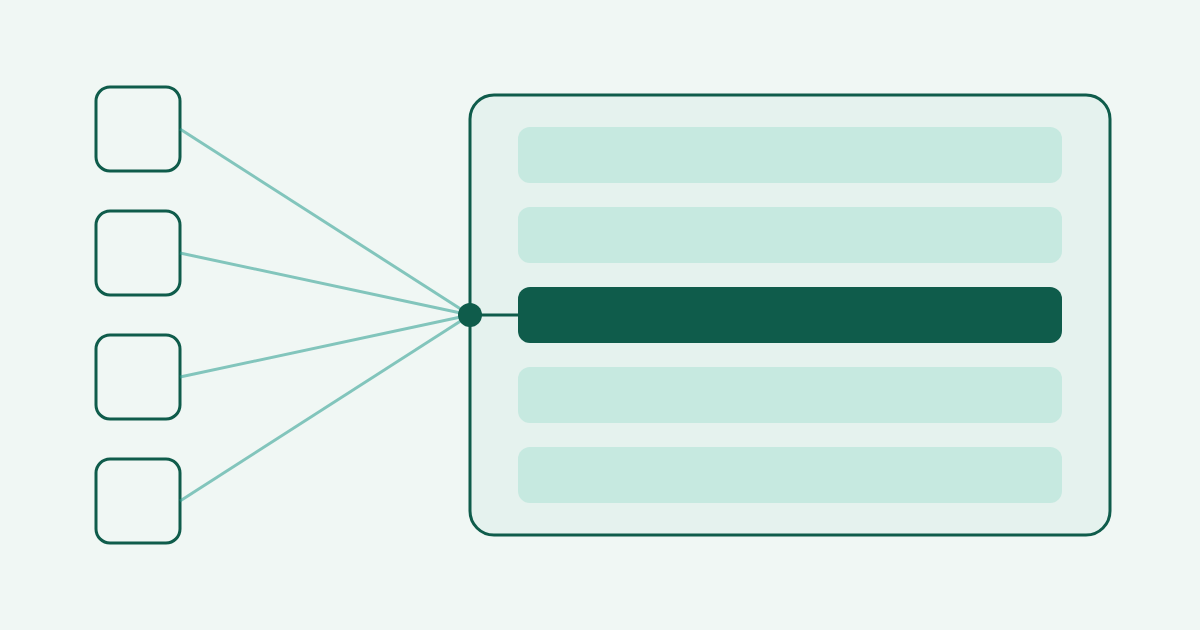
Build a Task once, expose it as a tool, and call it from Claude Code, Cursor, claude.ai, or ChatGPT. The client passes the inputs, the Task runs on Aisle's managed runtime, and the output comes back in the chat window.

An Airtable base of deals, one Task with four modes, mounted on an MCP server. The sales team updates the pipeline by chatting, without edit access to the table.
Deploy a Task as an MCP server and call it from ChatGPT, Claude, or any client that supports the protocol. Same Task, same behavior, every client.

Mail merge for PowerPoint decks. One template, many rows of data, and a zip of finished decks ready to download.

The most copied lead-gen workflow on n8n scrapes Google Maps and ends in a spreadsheet. Here's the same job rebuilt as an Aisle Task with Google Maps, Apollo.io, HubSpot, and Slack.
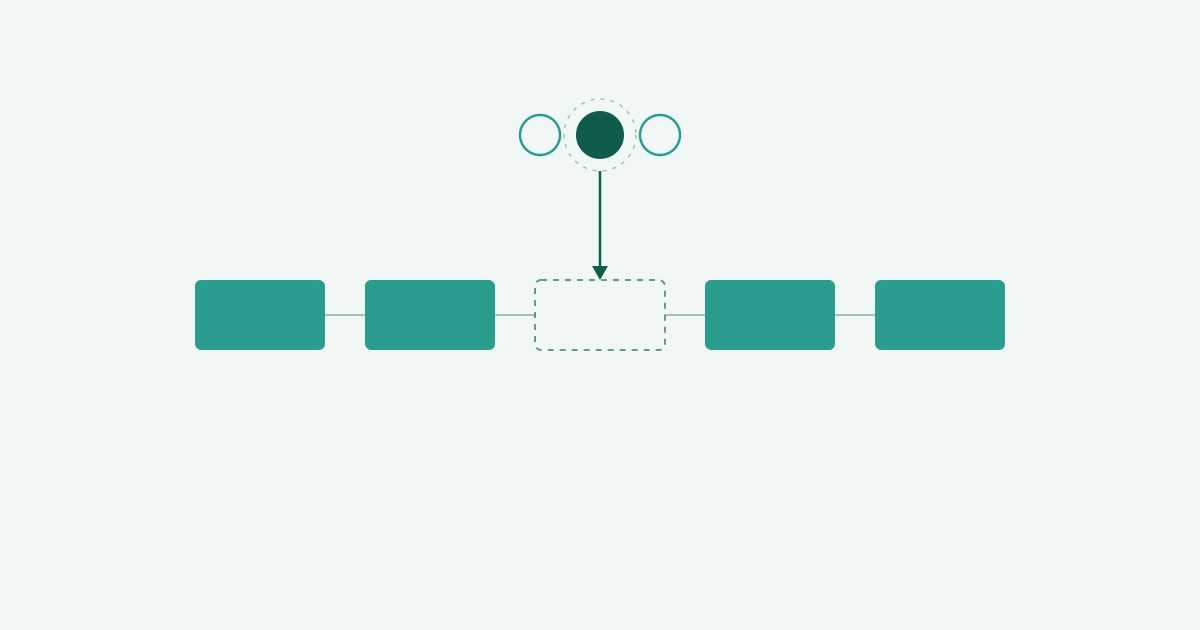
We built Tasks so your work stays separate from any one model and the model is a swappable input. On Microsoft's latest earnings call, Satya Nadella described the same architecture.
Anthropic's new flagship is in your model picker today: a 1M token context window, 128K output, and adaptive thinking with full effort control. Plus why your shared Aisle chats can't end up in Google, the Cobalt connector, and a reworked Tasks editor.

Two upgrades to the AI task editor: full create, edit, and remove support for inline prompts, and Postgres connection testing that runs a real read-only query.

How to set up feature and spec memories in Claude Code that survive across sessions and carry across everyone on your team, instead of re-explaining the same architecture every morning.
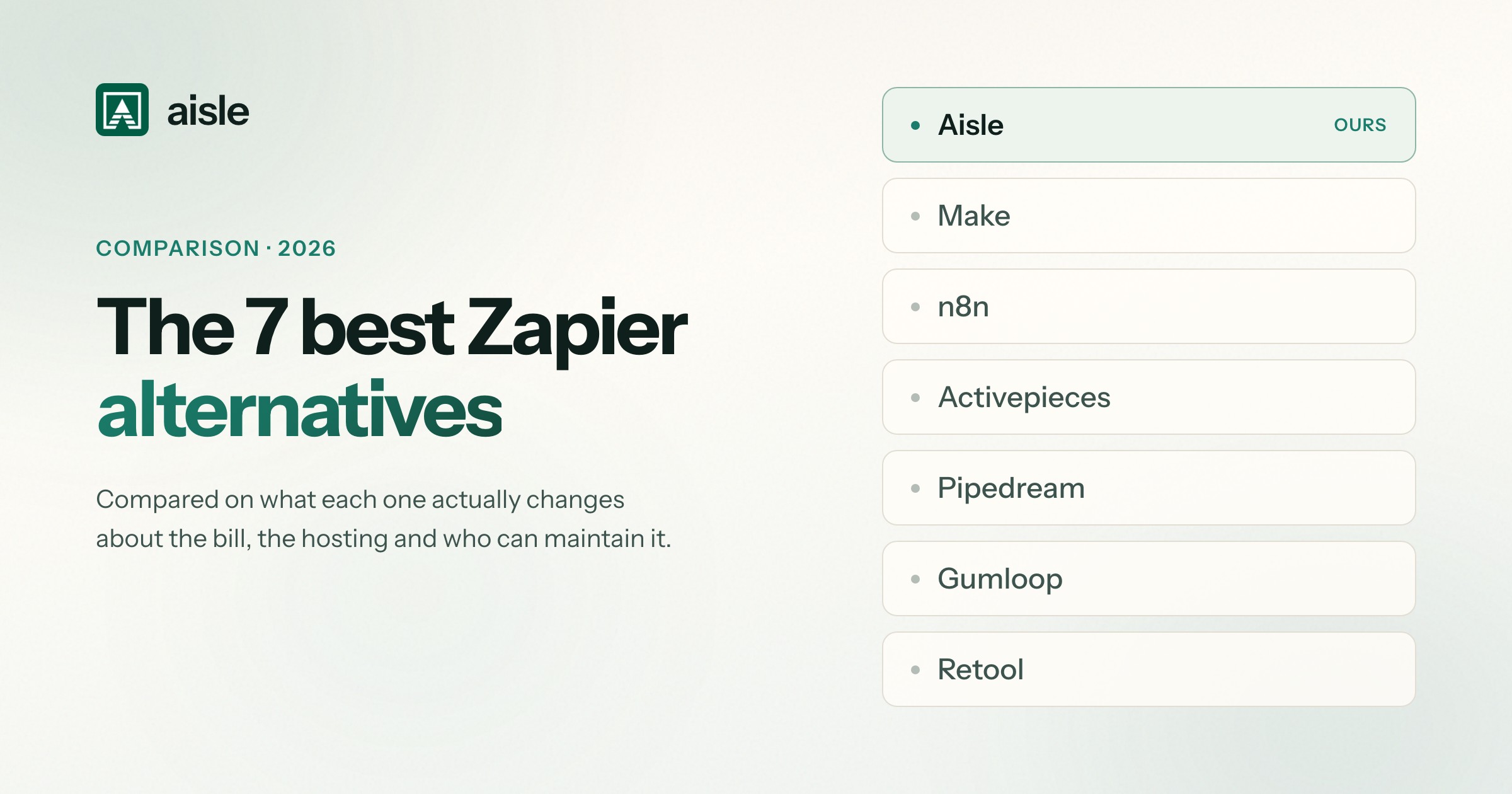
The best Zapier alternatives in 2026, compared on billing model, hosting, licence and who maintains the automation. Make, n8n, Activepieces, Aisle, Pipedream, Gumloop and Retool.
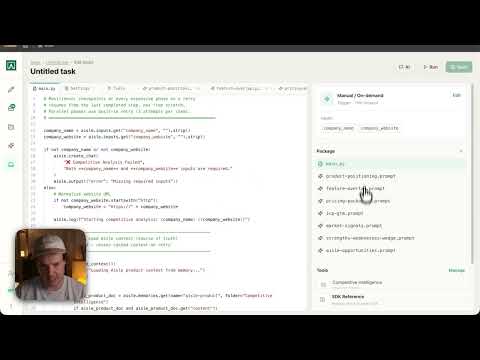
The AI Task Builder takes a spec and compiles a working Task from it: script, prompts, and wiring, generated end to end.
Building a six-phase competitive intelligence Task with our AI Task Builder made one thing obvious: the model is the smallest part of the work, and the plumbing around it is where the reliability comes from.
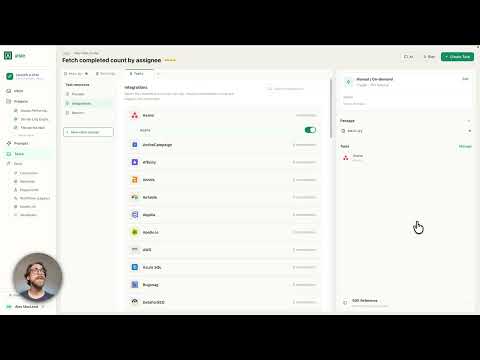
A look at how moving from agentic reasoning to a deterministic Python task in Aisle can cut token consumption by up to 50x, with no loss in what the automation actually does.
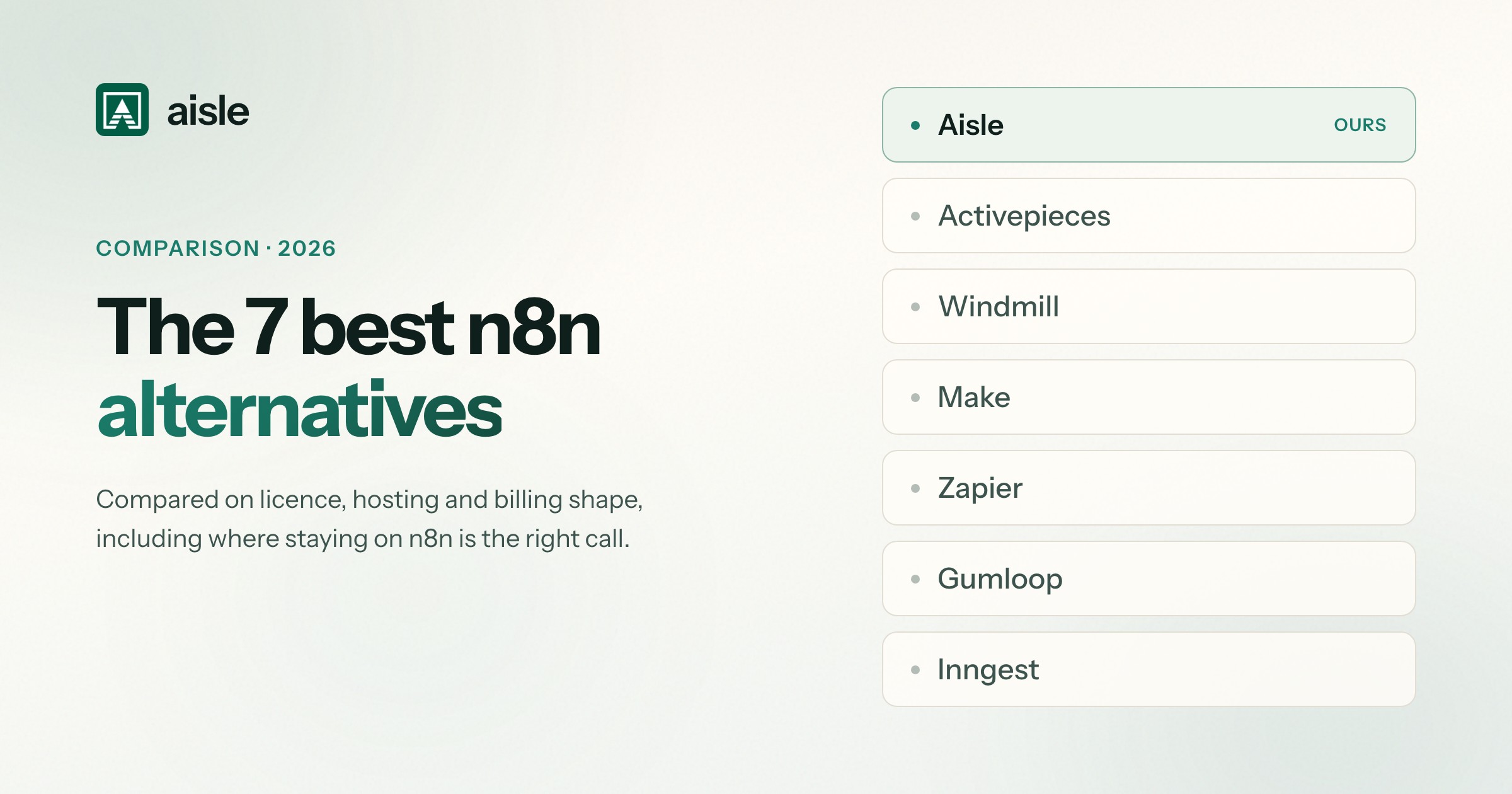
The best n8n alternatives in 2026, compared on licence, hosting, billing model and what happens after launch. Activepieces, Windmill, Aisle, Make, Zapier, Gumloop and Inngest.

Use an Aisle task to create a deterministic AI automation that summarizes all new commits to a project and delivers them to your team.

Connect an OpenSearch instance to an Aisle project and query your server logs in plain language using AI.
Export controls suspended Claude Fable 5 days after launch. The Commerce Department has lifted them and Anthropic has redeployed the model. The retention terms have not changed, so neither has our position. Plus fourteen connectors, grouped by the function that would own them.
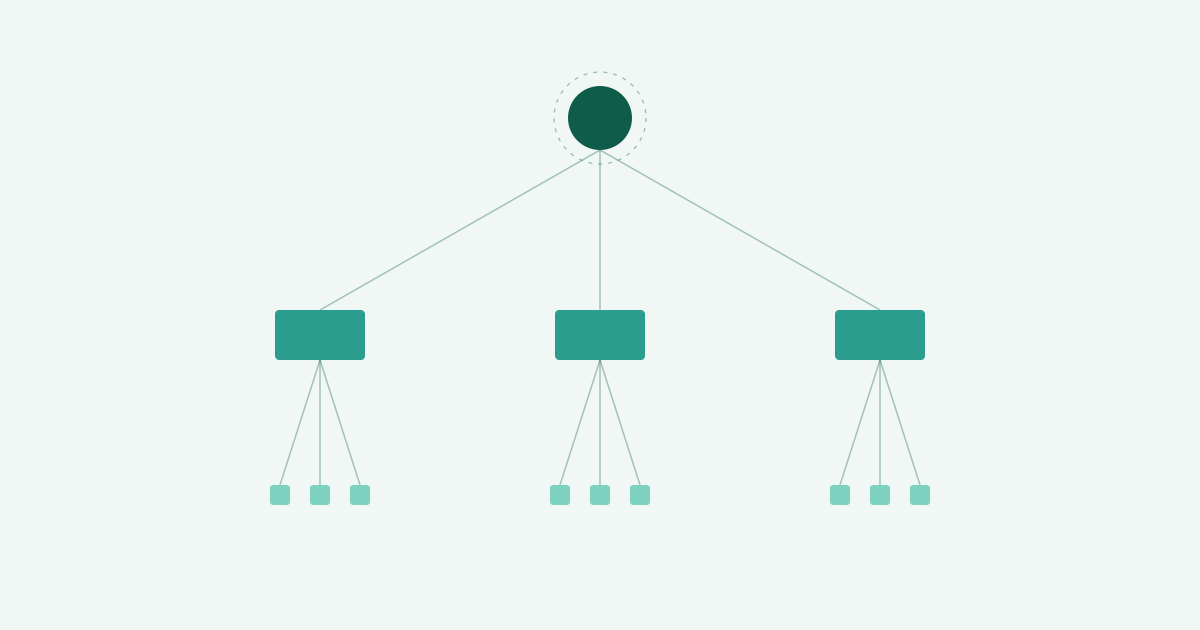
I have been talking about deterministic vs agentic AI for a while, largely with a focus on how it is more reliable. The cost conversation really makes this shine too.

AI assistants and dedicated AI systems do different jobs. One makes a person faster in a session; the other runs a process for the company. Every company should run both, deliberately.